As energy costs continue to rise, many homeowners consider solar panels for savings. The question on everyone's mind is, "How much money can solar panels save me?" In 2026, advancements in solar technology have made these systems more accessible and efficient. This guide explores the potential savings solar panels can bring, while also addressing some common concerns.
Investing in solar panels often leads to significant reductions in monthly energy bills. However, the initial costs can be daunting. Each home's savings vary based on location and energy usage. Understanding these factors is crucial. There are also maintenance and installation costs to consider. Not everyone will see the same financial gain, which can lead to uncertainty.
Aiming for long-term savings is key. Many reports show that homeowners reap benefits over time. Yet, for some, the upfront investment can feel overwhelming. It’s important to weigh both the immediate expenses and the future savings when making a decision. The right solar solution can transform energy bills, but it requires careful thought.
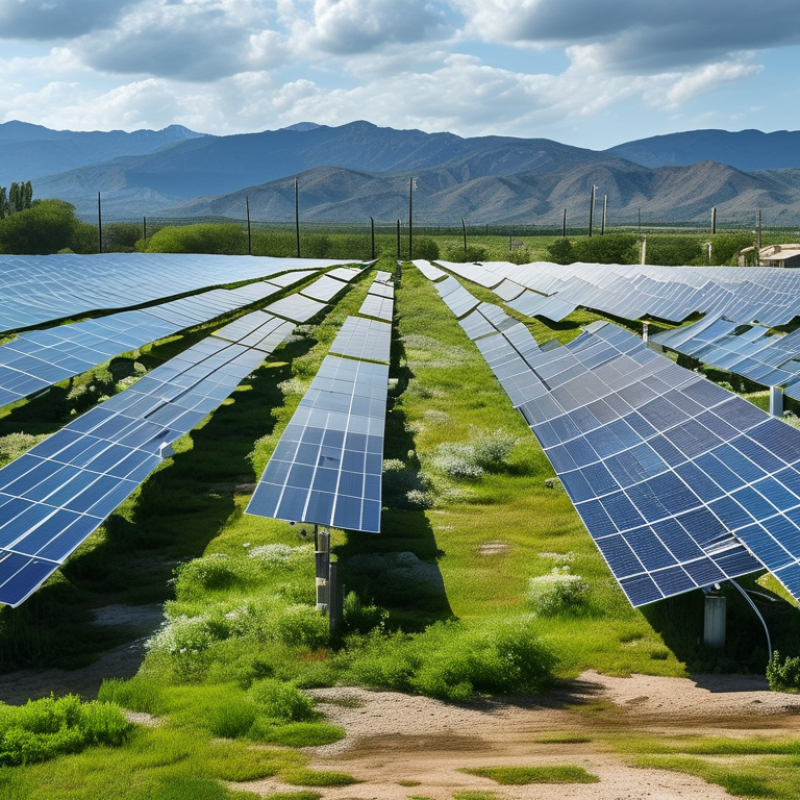
2026 Solar Panel Technologies: Innovations and Efficiency Ratings
The solar panel industry is witnessing remarkable advancements in technology for 2026. Innovations in materials and designs aim to enhance efficiency. New photovoltaic cells increase conversion rates, with some hitting over 23%. This represents a significant leap from earlier models, which averaged around 15%-18%. More efficient panels mean more savings for homeowners.
Research indicates that households can reduce energy bills substantially. By 2026, the shift to high-efficiency solar panels could yield savings of up to 50% on electricity costs. However, this technology is not without challenges. The initial investment for these advanced panels can be substantial. Homeowners must weigh these upfront costs against long-term gains.
Monitoring ongoing performance and compatibility with existing systems is vital. Some innovative technologies may require specific setups that could lead to additional expenses. The evolving market invites scrutiny and analysis, emphasizing the importance of informed decision-making. As solar technology progresses, we should reflect on the balance between innovation and practicality.
2026 Best Solar Panels: Savings and Efficiency
This chart displays the estimated savings from the best solar panels in 2026 along with their efficiency ratings. The data reflects potential annual savings based on average sunlight hours and energy costs in the U.S.
Cost Analysis of 2026 Solar Panels: Initial Investment vs Long-Term Savings
The cost of solar panels in 2026 presents an intriguing balance between initial investment and long-term savings. Recent industry reports estimate that the average home can expect to pay around $18,000 initially for a complete solar panel system. However, this upfront cost can yield significant savings over time. Homeowners can save up to $30,000 over 25 years on electricity bills. That's a compelling advantage.
In some states, energy prices are rising rapidly. According to the U.S. Energy Information Administration, electricity costs have risen by more than 15% in the last decade. This trend suggests that investing in solar panels could become increasingly beneficial. Yet, potential buyers often hesitate. The technology is still evolving, and panel efficiency varies. Some systems produce less energy than expected, which can affect the anticipated savings.
Additionally, while federal solar tax credits provide substantial incentives, these programs may not last indefinitely. Homeowners need to consider local rebates and financing options meticulously. Investment in solar energy must be viewed not just as a financial decision, but also as a gamble on the future of energy prices and technology. The evolving landscape invites reflection on both the risks and rewards of solar investments.
Potential Savings Calculation: How Much Can Homeowners Expect?
Homeowners looking to install solar panels often wonder about the potential savings. Reports indicate that average savings can range from $10,000 to $30,000 over 20 years, depending on installation size and location. The increasing efficiency of solar technology plays a vital role in these numbers. For instance, the National Renewable Energy Laboratory states that modern panels convert up to 22% of sunlight into electricity. This efficiency can significantly reduce energy bills.
Geographical factors heavily influence potential savings. States with abundant sunlight, such as Arizona and California, offer higher returns on investment. A report by the Solar Energy Industries Association notes that homeowners can see a reduction of 50-70% in their electricity costs. However, the initial investment remains high for many. Solar panel installation can cost around $15,000 to $25,000 before incentives. Thus, some homeowners may not feel the financial benefits immediately.
It’s crucial to consider the long-term perspective. Energy prices typically rise, enhancing the value of solar systems over time. However, not all homes are suitable for solar, and roof conditions may complicate installations. Additionally, local policies and incentives vary, impacting savings. Homeowners must weigh these factors carefully for an informed decision.
Environmental Impact of Solar Panels: Carbon Footprint Reduction Statistics
The environmental impact of solar panels is significant. They play a crucial role in reducing carbon footprints. Statistics show that homeowners can reduce carbon emissions by up to 80% when switching to solar energy. This drastic decrease benefits both the environment and personal health. As fossil fuel reliance declines, air quality improves.
Installing solar panels is an investment in a sustainable future. Many people might overlook the initial costs. However, the long-term savings on energy bills can be substantial. Each solar panel prevents tons of carbon dioxide from entering the atmosphere. This effect can be measured over the panels' lifespan, typically 25 years or more.
Consider researching local incentives for solar installations. Some governments offer rebates or tax credits, which can lower upfront costs. Engaging with experts can provide clarity on how to optimize solar investments. Reflect on your energy consumption habits; small changes can amplify the benefits of your solar system. Embracing solar energy is not just about savings. It’s about creating a cleaner, healthier planet for future generations.
2026 Best Solar Panels - Savings and Environmental Impact
| Panel Type |
Average Cost ($) |
Annual Savings ($) |
Carbon Footprint Reduction (kg CO2/year) |
Payback Period (years) |
| Monocrystalline |
$15,000 |
$1,500 |
1,200 |
10 |
| Polycrystalline |
$13,000 |
$1,200 |
1,000 |
11 |
| Bifacial |
$16,500 |
$1,700 |
1,300 |
9 |
| Thin-Film |
$12,000 |
$1,000 |
800 |
12 |
Government Incentives for Solar Energy Adoption in 2026: A Financial Overview
As solar energy continues to gain traction, 2026 presents an exciting opportunity for home and business owners. Government incentives are shaping the financial landscape of solar energy adoption. In 2026, federal tax credits can cover up to 30% of installation costs, significantly reducing the upfront investment. Reports from the Solar Energy Industries Association (SEIA) indicate that states are also implementing their own rebates, making solar more accessible.
Many homeowners can expect substantial savings on their electricity bills. In fact, going solar can lead to reductions of 50% or more, depending on location and energy usage. With average solar system costs around $15,000 after tax credits, payback periods can be as short as five years in some states. However, it’s crucial to evaluate local utility rates and solar potential before making a decision.
Energy efficiency measures can enhance savings. Properly sizing your system optimizes performance. Always consider obtaining multiple quotes from qualified installers. Check for certification and experience. Additionally, understanding local permitting requirements is essential for a smooth installation process. Always stay informed about evolving incentives. They can change year-to-year and may impact your decision significantly.
FAQS
: There are improvements in materials and designs to enhance efficiency. Some new panels achieve conversion rates over 23%.
By 2026, savings can reach up to 50% on electricity costs, compared to traditional systems.
Homeowners typically pay around $18,000 for a complete solar panel system upfront.
Over 25 years, savings could amount to $30,000 on electricity bills.
Some systems may not produce the expected energy, leading to uncertainties about savings.
Rapid increases in electricity costs suggest investing in solar panels may become more beneficial over time.
Federal tax credits provide incentives, but they may not last forever. Local rebates should also be considered.
Ongoing performance checks are vital to ensure compatibility and efficiency, avoiding unexpected costs.
There is a need to balance innovations' benefits with practical concerns and long-term reliability.
It is more of a gamble on future energy prices and technology advancements, requiring careful analysis.
Conclusion
In 2026, advancements in solar panel technologies promise enhanced efficiency ratings that significantly boost energy production. Homeowners are increasingly curious about how much money solar panels can save them. A thorough cost analysis reveals that while the initial investment may be considerable, the long-term savings can be substantial due to reduced energy bills and increased property values.
Calculating potential savings indicates that many homeowners can expect to recoup their investments over time, especially when factoring in government incentives promoting solar energy adoption. Additionally, the environmental benefits, including notable reductions in carbon footprints, underscore the significance of transitioning to renewable energy sources. Overall, embracing solar power in 2026 represents both a financial opportunity and a commitment to sustainability.

 Stove Solar