Solar panels often appear silent and dependable, yet small faults can reduce output quickly. A cloudy morning may hide a tripped breaker, loose connector, or dirty module. Learning How to fix common problems in solar systems starts with safe observation, not guesswork. This guide focuses on practical checks for homeowners, installers, and maintenance teams. It covers production drops, inverter warnings, battery concerns, and monitoring errors. Real systems differ, though. Manufacturer instructions and local electrical requirements always take priority.
Experienced technicians compare current readings with earlier production, weather conditions, and household demand. A sudden fall after heavy rain may suggest shading, water ingress, or a disconnected cable. A steady decline may indicate dirt, aging equipment, or inaccurate monitoring data. Simple clues matter: a blank inverter screen, red warning light, or unusually warm equipment deserves attention. Never open energized equipment or climb onto a roof without proper training. Qualified professionals should handle electrical testing, damaged wiring, battery faults, and roof access.
A reliable troubleshooting process records symptoms, checks safe external connections, reviews error codes, and confirms results after repairs. Photos, dates, and inverter readings can prevent repeated service visits. Some explanations seem obvious, yet they can be wrong. An assumption about “low sunlight” might delay the discovery of a failed isolator. Careful testing builds confidence. With evidence, patience, and professional support, common solar problems become manageable rather than mysterious.
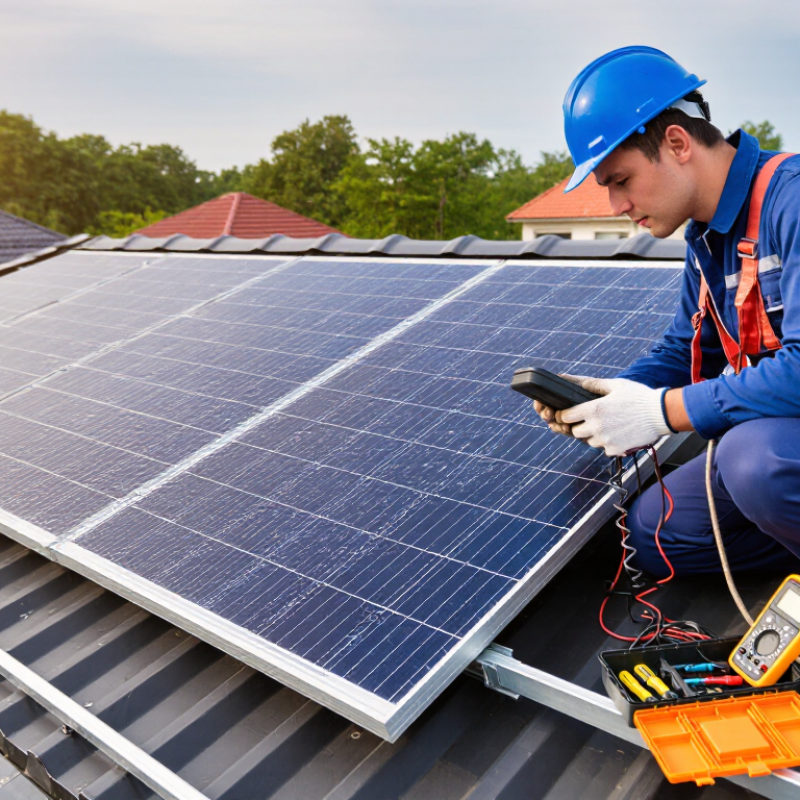
When a solar system underperforms, note what changed and when. Check the inverter display for warning lights or error messages, and compare its reported output with a similar sunny day. A sudden drop may point to shading, dirty panels, a tripped breaker, or an equipment fault. Gradual losses can be harder to spot. New tree shadows across one panel at noon matter more than many owners expect.
Tips: Write down the time, weather, displayed output, and any warning code. Check for obvious shade from the ground. Don’t open electrical equipment or touch damaged wiring. One cloudy afternoon is not a diagnosis.
Also note whether the issue affects the whole system or only certain periods. If household power use has changed, lower exports may not mean the panels are failing. Battery trouble can show up as shorter backup time, unexpected charging behavior, or a warning on the system display. Symptoms overlap, so avoid guessing from one reading. I’d be cautious about calling dust the cause without checking shade and system alerts first. If warnings persist, output stays unusually low, or you see damaged parts, contact a qualified solar technician and share your notes.
A sudden drop in solar output does not always mean a major failure. Check the panels from the ground for new shade, leaves, dust, or cracked glass. Small clues matter. Compare the system’s daily output with similar weather, rather than judging it from one cloudy afternoon. If cleaning is safe and recommended for your setup, use water and a soft brush; avoid climbing onto the roof or spraying hot panels with cold water.
Look at accessible wiring for loose conduit, chewed insulation, or scorch marks, but do not touch exposed cables. Solar circuits can remain energized in daylight. Leave electrical testing and repairs to a qualified technician. On the inverter, note any displayed error code and check that vents are clear. A repeated warning deserves investigation; repeatedly switching the unit off and on may hide useful diagnostic information.
For the battery, review its charge level and any alerts in the monitoring display. Check only visible areas for unusual heat, swelling, leaks, or a sharp chemical smell. Stop using the system and contact a qualified professional if you notice these signs. Not every low reading points to a failed battery: cold weather, heavy evening use, or a temporary communication fault can confuse the picture. Record readings and conditions for a few days. That record helps, though it may not reveal the cause on its own.
When a solar system stops producing, begin with symptoms, not guesses. Check the inverter display for fault codes, output readings, and shutdown messages. A blank screen needs attention. Confirm the system’s main breaker is on, but do not open live equipment. Sunlight, shading, and recent weather can also explain lower production. Compare today’s output with a clear day from the same season.
Loose connectors, damaged cables, and moisture around junction points can cause intermittent faults. Inspect only from a safe distance. Look for cracked insulation, burnt marks, unusual smells, or water entry. Do not disconnect cables under load. A qualified electrician should test voltage and continuity with properly rated instruments. Never rely on appearance alone. A clean panel can still hide a failed bypass diode or a poor connection.
Battery systems need separate checks. Review battery temperature, charge level, and warning history before changing settings. Low output may come from an incorrect operating mode, a tripped protection device, or battery communication failure. Grid-connected systems may stop during a utility outage by design. I have seen troubleshooting take longer because one warning code was ignored as “temporary.” That assumption is risky. Record the time, weather, readings, and recent maintenance. If faults return after a reset, stop resetting and arrange professional service. Safety matters more than restoring power quickly.
Solar system problems often appear as reduced output, warning lights, or sudden shutdowns. Check the monitoring display and note when the issue began. Look for heavy dust, leaves, or shade across the panels. Do not open the inverter or touch exposed wiring. Even a switched-off system can retain dangerous electrical energy. A simple visual check is reasonable. Electrical repairs are not.
Tips: Keep panels clear from safe ground level. Photograph warning messages. Never climb onto a wet roof. Turn off equipment only as the manual directs. Contact a qualified technician when faults continue, cables look damaged, or burning smells appear. If smoke or sparking occurs, stay away and call emergency services.
A qualified technician can test voltage, connectors, fuses, grounding, and inverter performance with proper instruments. They should explain the fault before replacing parts and provide a written record of the work. Ask about training, insurance, and relevant electrical qualifications. Avoid anyone who promises a quick fix without testing. I once assumed low production came from dirty panels; the real cause was a loose connection beneath the array. That mistake showed me why guessing can waste time and create risk. Safe repairs require patience, accurate measurements, and professional judgment.
| Common Problem | Typical Symptoms | Possible Causes | Safe Checks You Can Perform | When to Contact a Qualified Technician | Recommended Urgency |
|---|---|---|---|---|---|
| Solar system produces little or no electricity | Lower energy production than usual, no production during daylight, or a monitoring alert. | Heavy shading, dirt, snow, a tripped circuit breaker, inverter shutdown, wiring faults, or equipment failure. | Check whether shading or snow is covering the panels. Review the monitoring display and confirm that the system status is normal. Do not open electrical enclosures. | Contact a technician if the system remains offline, a breaker trips again, or the cause is not visible. Do not attempt electrical testing or rewiring. | Within 24–48 hours |
| Inverter shows a fault or error code | Warning light, error message, repeated shutdowns, or no power conversion. | Grid interruption, overheating, insulation fault, communication problem, or internal inverter failure. | Record the exact error code and time. Check whether the utility supply is operating and ensure exterior ventilation areas are not blocked. Follow only the manufacturer-approved reset procedure. | Arrange professional service for persistent faults, unknown codes, burning smells, unusual sounds, or repeated shutdowns. | Prompt service |
| Dirty or partially shaded panels | Gradual reduction in output, visible dust, leaves, bird droppings, or shadows across panel surfaces. | Accumulated dirt, pollen, bird droppings, nearby vegetation, or seasonal shading. | From the ground, inspect for obvious debris and shading. If safe and permitted, use clean water with a soft brush from ground level. Avoid ladders, abrasive tools, and walking on panels. | Use professional cleaning or vegetation management when roof access is difficult, panels are damaged, or electrical components are nearby. | Routine maintenance |
| Tripped breaker or disconnect | System stops producing power after a storm, outage, maintenance event, or electrical disturbance. | Grid fault, overload, short circuit, ground fault, damaged cable, or equipment malfunction. | Look for a visibly tripped breaker and check whether other household circuits are operating. Reset it only once if the equipment instructions allow it and there are no warning signs. | Call a qualified technician if it trips again, will not reset, feels hot, sparks, or is associated with smoke or a burning odor. | Stop repeated resets |
| Water intrusion or roof leakage near the array | Ceiling stains, damp attic areas, dripping water, or moisture around roof penetrations. | Failed flashing, damaged roofing material, loose mounting hardware, or sealant deterioration. | Inspect the interior from a dry, safe location and document the affected area. Keep clear of wet electrical equipment and do not climb onto the roof during rain. | Contact a qualified solar and roofing professional to inspect mounting points, wiring, and roof structure before making repairs. | As soon as possible |
| Damaged or cracked solar panel | Visible cracks, shattered glass, hot spots, discoloration, or a sudden drop in output. | Hail, falling branches, impact, thermal stress, manufacturing defects, or improper handling. | Stay on the ground, keep people away from the area, and photograph the damage from a safe distance. Do not touch the panel or exposed wiring, even when the system appears switched off. | Arrange professional isolation, testing, and replacement. A damaged panel can remain electrically live in daylight. | Prompt professional service |
| Loose, exposed, or damaged cables | Hanging wires, cracked insulation, chewed cables, connector separation, or intermittent system operation. | Weathering, animals, incorrect installation, physical impact, or connector deterioration. | Observe from a safe distance and keep children and pets away. Do not tape, splice, unplug, or move solar cables. | Contact a qualified technician immediately for cable repair, connector replacement, insulation testing, and safe isolation. | Immediate attention |
| Battery storage system is not charging or discharging | Low battery state of charge, backup power unavailable, battery warning, or unexpected shutdown. | Operating-temperature limits, configuration settings, grid outage, battery fault, communication loss, or end-of-life capacity reduction. | Check the battery display or monitoring application for alerts. Confirm that the system has adequate ventilation and is within the temperature limits stated in its instructions. | Seek professional help for swelling, leaking, smoke, overheating, repeated alarms, or any internal battery inspection or repair. | Urgent if unsafe signs appear |
| System performance is lower than expected | Output is consistently below historical levels despite clear weather and normal operation. | Seasonal sunlight changes, shading growth, soiling, sensor errors, module degradation, inverter clipping, or wiring faults. | Compare current production with similar days from the monitoring history, considering weather, daylight hours, and seasonal variation. Check for new shade. | Request a professional performance assessment if the decline is persistent or affects multiple panels or circuits. | Schedule an inspection |
| Burning smell, smoke, arcing, or unusual heat | Smoke, crackling sounds, melted plastic, scorch marks, or a strong electrical odor. | Loose connection, short circuit, overloaded component, arc fault, or damaged electrical equipment. | Move away from the equipment, keep others clear, and call emergency services if there is fire or immediate danger. Do not touch the system or use water on an electrical fire. | Treat this as an emergency. A qualified professional must isolate, inspect, and repair the system before it is returned to service. | Emergency response |
A solar system may produce less energy because of dust, shading, loose connections, or inverter warnings. I once found a sharp output drop after several cloudy days, but the real cause was partial shading from a growing tree. Check the monitoring history before touching any equipment. Compare today’s production with the same weather conditions from previous weeks. Inspect panels from the ground for dirt, cracks, bird droppings, or new shadows. Never open electrical enclosures unless you are qualified to do so.
Tips: Record daily energy output, weather, and visible changes. A simple log can reveal slow performance losses. Check cables only when the system is safely isolated. If an error remains, contact a licensed solar technician and provide photos, dates, and monitoring data.
Prevention requires regular, careful testing. Clean panels only when necessary, using safe methods that avoid scratching the surface. Trim nearby vegetation before it creates morning or afternoon shade. Examine mounting areas after strong winds, especially if panels appear uneven. Test protective devices according to local electrical requirements. Some problems are easy to miss. A system can look normal while producing less power internally. Annual professional inspections can identify insulation damage, hot connections, and declining components. I would not rely on one performance reading; weather, temperature, and household demand can distort the result. Track patterns instead.
Note the time, weather, displayed output, and any warning code. A cloudy afternoon is not enough. Check for new shade, leaves, dust, breaker changes, or equipment alerts.
A tree shadow crossing one panel at noon can reduce output noticeably. Check the ground view, especially between late morning and early afternoon. I might blame dust too quickly without checking shadows.
Dust, leaves, and bird residue may reduce sunlight reaching the panels. Clean only when the setup allows it. Use water and a soft brush. Do not climb onto the roof.
Record the exact warning message, output reading, and shutdown status. Clear vents if they are accessible. Avoid repeated power cycling. It may hide useful evidence.
Not always, but it needs attention. Confirm the main breaker is on without opening live equipment. A qualified technician should inspect electrical faults and test the system safely.
Look from a safe distance for loose conduit, chewed insulation, scorch marks, or water entry. Do not touch exposed cables. Daylight can keep solar circuits energized. Appearance alone can mislead.
Check charge level, temperature, backup time, and warning history. Unexpected charging can also matter. Stop using the system if you notice swelling, leaks, unusual heat, or a sharp chemical smell.
Yes. Higher evening use or changed appliance patterns can reduce exported electricity. That does not automatically mean panel failure. Compare production, consumption, and battery readings together.
Arrange professional service when warnings persist, output stays unusually low, or parts look damaged. Share several days of notes, including weather and readings. Do not disconnect cables under load. Safety comes before quick repairs.
Learning how to fix common problems in solar systems begins with identifying the symptoms, such as low energy production, unstable power output, unusual inverter messages, or battery charging issues. Start with a careful visual inspection of the panels for dirt, shading, cracks, or physical damage. Then examine accessible wiring and connections for looseness, corrosion, or signs of overheating. The inverter should be checked for warning indicators and operating status, while the battery should be inspected for unusual temperature, swelling, or reduced capacity.
Some faults may be resolved by cleaning the panels, removing nearby shading, resetting the system according to its instructions, or tightening safe, accessible connections. However, electrical repairs, damaged cables, battery problems, and repeated inverter faults should be handled by a qualified technician. After any repair, test system performance, monitor energy generation, and confirm that all safety protections work correctly. Regular cleaning, inspections, and performance tracking can help prevent future problems and maintain reliable solar power production.

Stove Solar