Explore our top-tier, rigorously tested solar modules, hybrid inverters, and high-voltage energy storage systems engineered for maximum LCOE efficiency and extreme microclimatic endurance.
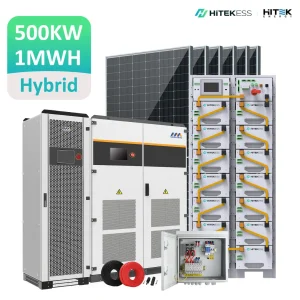
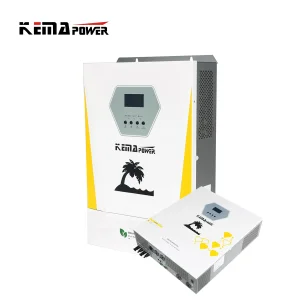
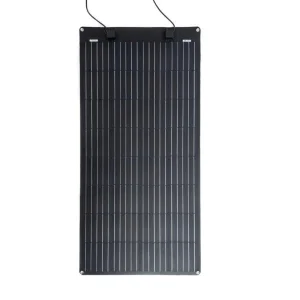
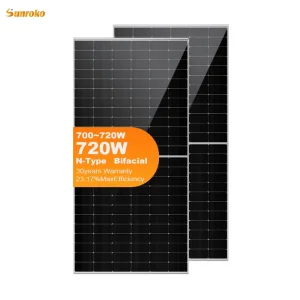
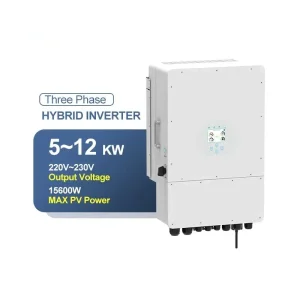
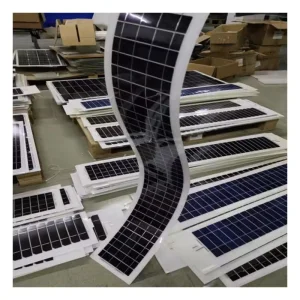
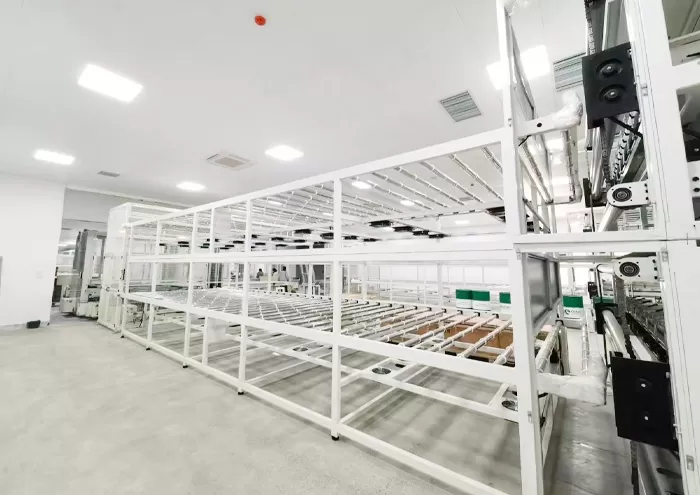
Welcome to SES Solar, a leading China-based high-tech enterprise operating at the intersection of solar module fabrication, advanced testing validation, and full-spectrum energy storage system (ESS) manufacturing.
SES Solar, a professional solar integrated manufacturer and solution provider in China, is a high-tech enterprise dedicated to R&D of solar modules, on/off/hybrid solar systems, lithium batteries, and ESS. With overseas branches and a professional team in support, SES Solar not only manufactures solar products but also designs, invests in, and installs solar systems across the Chinese mainland.
We have invested in over 100MW of operational solar systems, with our solar cell factory capacity exceeding 35GW and our solar panel factory capacity surpassing 1GW. In 2022, SES Solar strategically invested in a state-of-the-art ESS factory, further expanding our capabilities and offerings in the global clean energy ecosystem.
Quality Assurance Assurance: Every module batch undergoes rigorous ISO/IEC 17025 accredited laboratory testing before export clearance.
As the global solar industry transitions from P-type PERC to N-type TOPCon and Heterojunction (HJT) technologies, factory testing methodologies must evolve to catch emerging degradation mechanisms, micro-cracks, and packaging delamination.
With cell architectures adopting 16BB to 24BB (Multi-Busbar) layouts and ultra-thin silicon wafers (<130µm), mechanical vulnerability increases during handling. Testing factories must deploy dynamic mechanical load testing (DML) combined with inline high-speed Electroluminescence (EL) imaging to identify micro-fractures undetectable to the naked eye.
Light and Elevated Temperature Induced Degradation (LeTID) presents a major financial risk for long-term LCOE in N-type modules. Modern testing factories employ accelerated environmental stress chambers running +75°C to +85°C exposures under current injection to quantify power loss within a 48-to-192 hour cycle.
Bifacial dual-glass modules require rigorous mechanical load (up to 5400 Pa snow / 2400 Pa wind) and damp heat (DH 2000 hours) testing to prevent glass-to-glass moisture ingress, junction box detachment, and frame deflection in desert or floating PV (FPV) environments.
Standard IEC baseline certification (IEC 61215 / IEC 61730) ensures minimum market entry qualification. However, Tier-1 manufacturing factories utilize extended testing sequences (PVEL Top Performer protocols) to simulate 25 to 30 years of field exposure.
| Test Sequence Type | Standard IEC Benchmark | Extended Testing (SES Factory Standard) | Primary Failure Mechanism Targeted |
|---|---|---|---|
| Thermal Cycling (TC) | TC 200 cycles (-40°C to +85°C) | TC 600 cycles (3x IEC Standard) | Solder ribbon fatigue, inter-connect breaks, cell micro-cracking |
| Damp Heat (DH) | DH 1000 hours (85°C / 85% RH) | DH 2000 hours (2x IEC Standard) | EVA/POE delamination, moisture ingress, frame corrosion |
| Potential-Induced Degradation (PID) | 96 hours (-1500V bias, 85°C/85% RH) | 192 hours double-duration testing | Sodium ion migration, anti-reflective coating leakage current |
| Humidity Freeze (HF) | 10 cycles (+85°C to -40°C with RH) | 30 cycles extended stress sequence | Edge seal breakdown, junction box adhesive failure |
| Dynamic Mechanical Load (DML) | 1000 Pa, 1000 cycles | 1000 Pa, 2000 cycles + Thermal Freeze | Cell micro-cracks propagating into full electrically isolated dead zones |
Electroluminescence testing acts as an X-ray for photovoltaic panels. Using high-resolution CCD cameras, our factories capture near-infrared emission generated when electrical current passes through cells.
To guarantee precise power output rating, AAA+ Class Solar Simulators are calibrated using primary reference cells from PTB or NREL.
Insulation resistance and wet leakage tests submerge modules in liquid tanks under high DC voltage (>3000V) to confirm complete sealing of junction boxes, cables, and backsheets under saturated humidity conditions.
International EPC contractors, project developers, and distributors face complex regulatory landscapes. SES Solar provides certified compliance pathways tailored to major destination markets worldwide.
Fully certified for CE, TÜV Rheinland/SÜD, and Low Voltage Directives. Prepared for the EU Carbon Border Adjustment Mechanism (CBAM) and Eco-design directives, offering full supply chain traceability and low-carbon footprint verified panels.
Engineered to fulfill UL 61730-1 / UL 61730-2 standards, CEC listing in California, and strict fire rating classifications (Type 1 & Type 2 heavy-duty glass-glass module assemblies).
Salt Mist Corrosion (IEC 61701 Level 6) and Ammonia Corrosion (IEC 62716) certified modules specifically designed for coastal, agricultural, and offshore solar deployments.
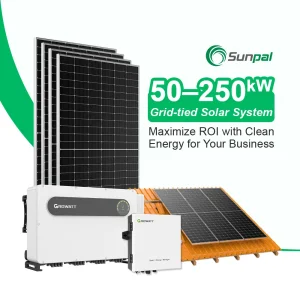
SES Solar provides a comprehensive suite of solar PV solutions that can optimize a wide range of project applications—from residential micro-grids to multi-megawatt commercial & industrial (C&I) plants.
SES Solar, a professional solar integrated solution provider in China, is a high-tech enterprise dedicated to R&D of solar modules, on/off/hybrid solar systems, lithium batteries, and ESS. With overseas branches and a professional team in support, SES Solar not only manufactures solar products but also designs, invests in, and installs solar systems across the Chinese mainland. We have invested in over 100MW of solar systems.
Easy to Install: Featuring the industry's most comprehensive repair, maintenance, and monitoring program for lifetime operational security.

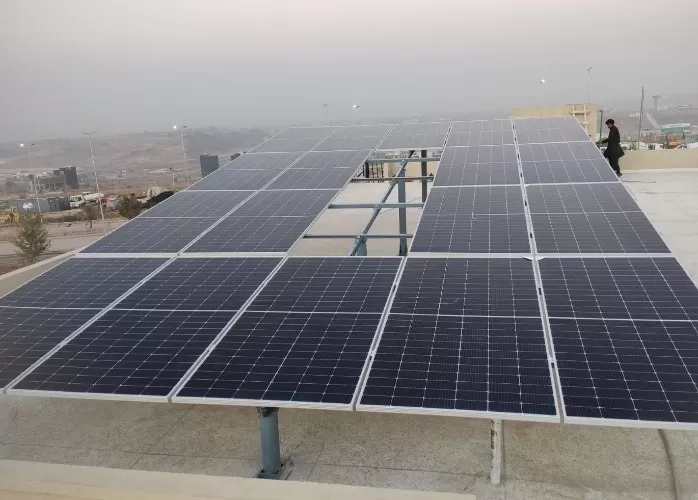
10KW Hybrid Solar System Integration
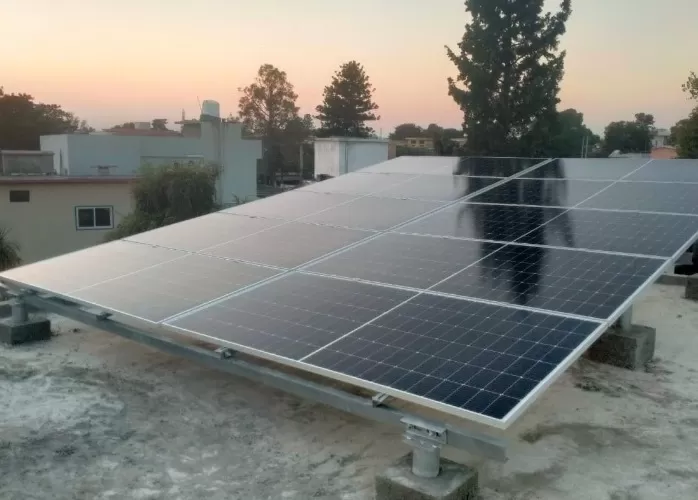
5KW On-Grid Residential Rooftop Solution
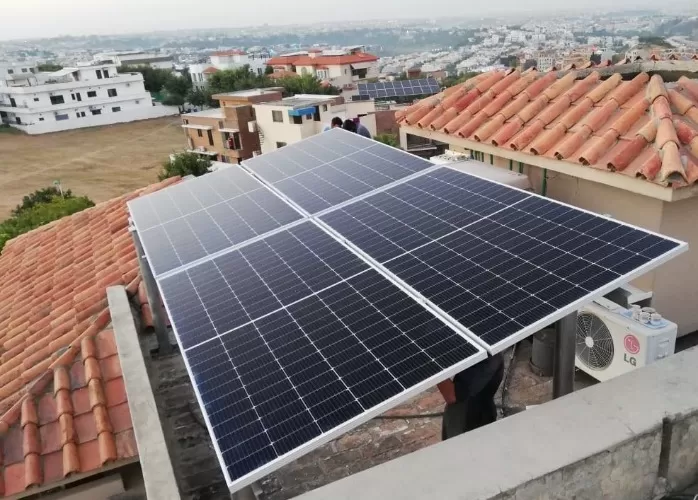
2KW Off-Grid Autonomous Energy Kit
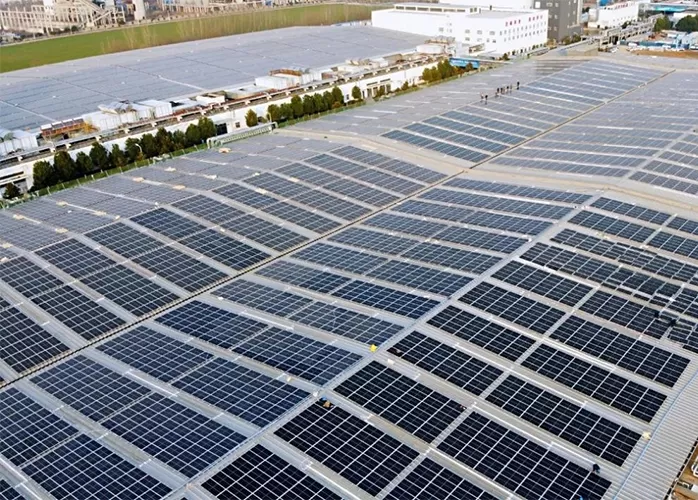
5MW Utility-Scale Ground Mounted Power Plant
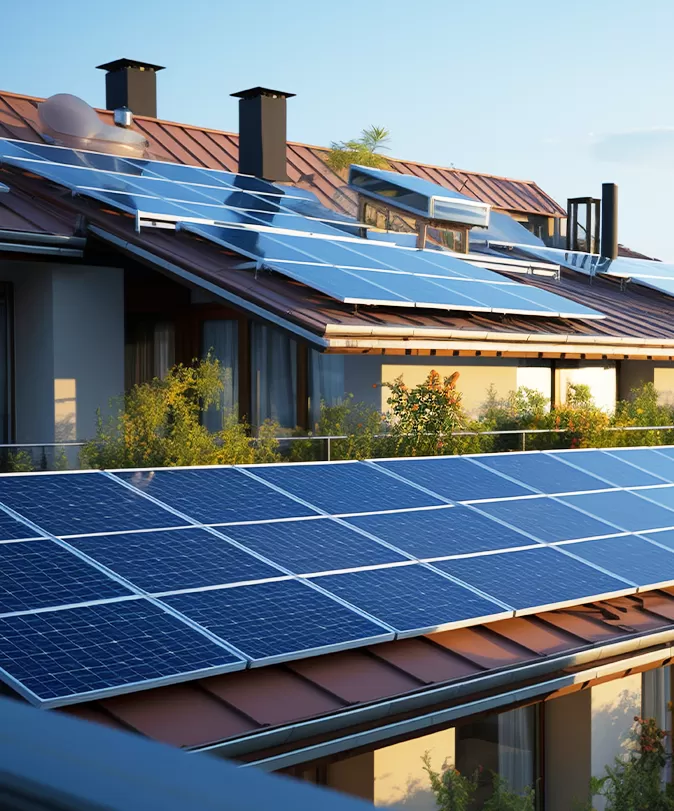
We provide a comprehensive suite of solar PV solutions that can optimize a wide range of project applications.
As solar efficiency approaches silicon theoretical limits (Shockley-Queisser limit), testing laboratories must prepare for tandem cell architectures, flexible substrates, and smart real-time inline diagnostic telemetry.
Perovskite tandem cells promise efficiencies exceeding 30%. However, phase stability under moisture and UV radiation requires novel light-soaking test protocols (ISOS protocols) combined with continuous IV-curve tracking under simulated AM1.5G spectrums.
Deploying automated photoluminescence (PL) and spectral response (SR) mapping to analyze charge carrier recombination lifetimes across ultra-large 210mm x 210mm wafer formats in real time during factory mass production.
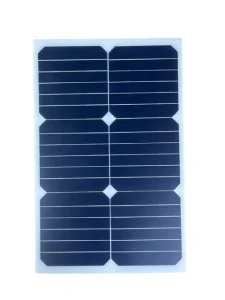
With growing demand for flexible solar panels (e.g., boat ETFE surfaces, RV roofs), factories employ bend-radius fatigue testing (over 10,000 flexing cycles) and abrasion resistance testing for rugged marine deployment.
Securing project financing requires more than basic module spec sheets. Institutional investors and bankable debt providers mandate rigorous factory audits and third-party quality verification.
SES Solar provides full access for third-party auditing firms (such as DNV, Clean Energy Associates, or Kiwa PVEL) to inspect:
Supported by top-tier reinsurance partners, our solar modules feature linear power warranties guaranteeing:
Year 1: ≥ 98.0% Initial Power Output
Year 25/30: ≥ 84.8% (PERC) / ≥ 87.4% (TOPCon Dual-Glass) Retained Capacity
Our global technical support teams provide swift on-site assistance, RMA processing, and localized engineering evaluations across Europe, South America, and Southeast Asia.
Key technical insights and answers regarding photovoltaic testing standards, exporter qualifications, and quality control procedures.
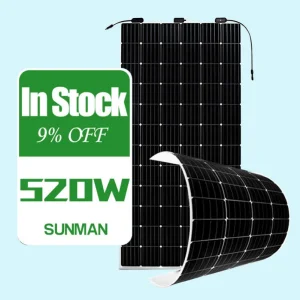
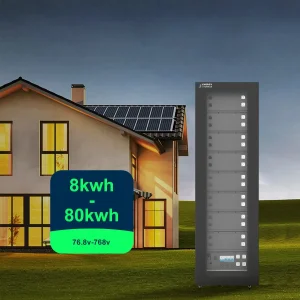
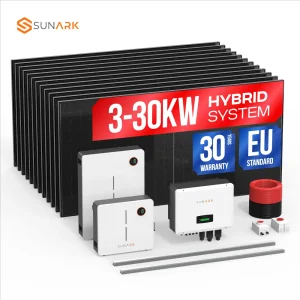
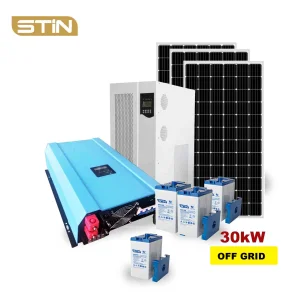
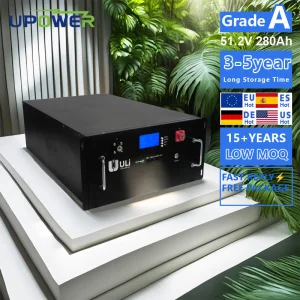
Browse our verified catalog of portable chargers, flexible lightweight solar panels, high-capacity server rack LiFePO4 batteries, and industrial scale complete solar energy generation kits.
 Stove Solar