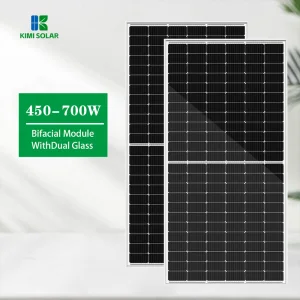
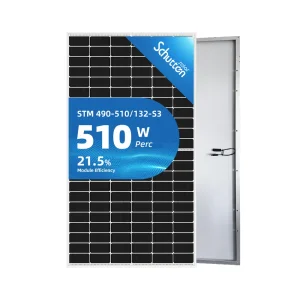
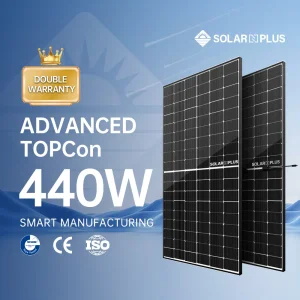
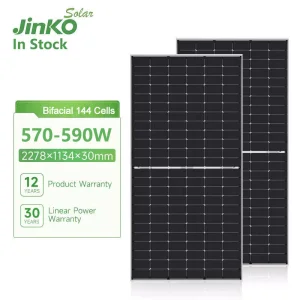
Select from our premium Tier 1 dual-sided photovoltaic technologies, optimized for the high albedo and wind-load environments of Saint Lucia.
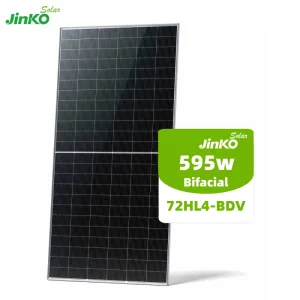
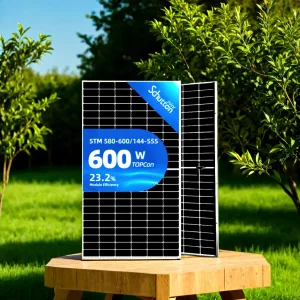
As the heart of Saint Lucia's commercial activity, Castries is leading the transition toward energy autonomy. Under the pressure of volatile imported diesel pricing and utility rate tariffs from LUCELEC (St. Lucia Electricity Services Limited), commercial and industrial enterprises are forced to optimize their operational expenses. With average daily solar irradiance levels exceeding 5.5 kWh/m² across the island, solar photovoltaics (PV) present the single most viable path to decarbonization.
However, traditional monfacial solar panels fail to exploit the high albedo values of Castries' typical light-colored rooftops, seaside sand, and concrete pavement architectures. Bifacial solar modules capture reflections from both the front and rear sides, converting ambient albedo reflections into up to 30% additional power generation. This incremental energy yield directly translates to a lower Levelized Cost of Energy (LCOE) and accelerated payback periods for businesses in Saint Lucia.
Request Local Feasibility Analysis
Coastal applications require structural integrity and materials science that stand up to category 5 hurricane wind loads and high-salinity corrosion.
Dual-glass solar modules replace standard plastic backsheets with 2.0mm tempered glass, achieving IEC 61701 Class 6 Salt Mist Resistance. This prevents water vapor and sodium ion ingress, completely mitigating Potential Induced Degradation (PID) in marine environments like Castries Harbor.
High wind-load resilience is crucial. Our double-glass structures are engineered and certified to withstand front-side snow/static loads of up to 5400 Pa and rear-side wind-suction loads of up to 2400 Pa, satisfying local structural wind requirements for hurricane paths.
Utilizing dual-sided N-type cells allows for a bifaciality factor of up to 80-85%. When mounted on light-colored concrete rooftops or flat commercial ground mounts in Castries, the module harvests backscattered light, creating an unbeatable LCOE curve.
SES Solar, a professional solar integrated manufacturer and solution provider in China, is a high-tech enterprise dedicated to R&D of solar modules, on/off/hybrid solar systems, lithium batteries, and ESS. With overseas branches and a professional team in support, SES Solar not only manufactures solar products but also designs, invests in, and installs solar systems across the Chinese mainland.
We have invested in 100MW of solar systems, with our solar cell factory capacity exceeding 35GW and our solar panel factory capacity surpassing 1GW. In 2022, SES Solar invested in their ESS factory, further expanding our capabilities and offerings in the solar industry.
SES Solar is a professional solar integrated solution provider in China, dedicated to R&D of solar modules, on/off/hybrid solar systems, lithium batteries, and ESS.

The industry's most comprehensive repair, maintenance and monitoring program.
The industry's most comprehensive repair, maintenance and monitoring program.
The industry's most comprehensive repair, maintenance and monitoring program.
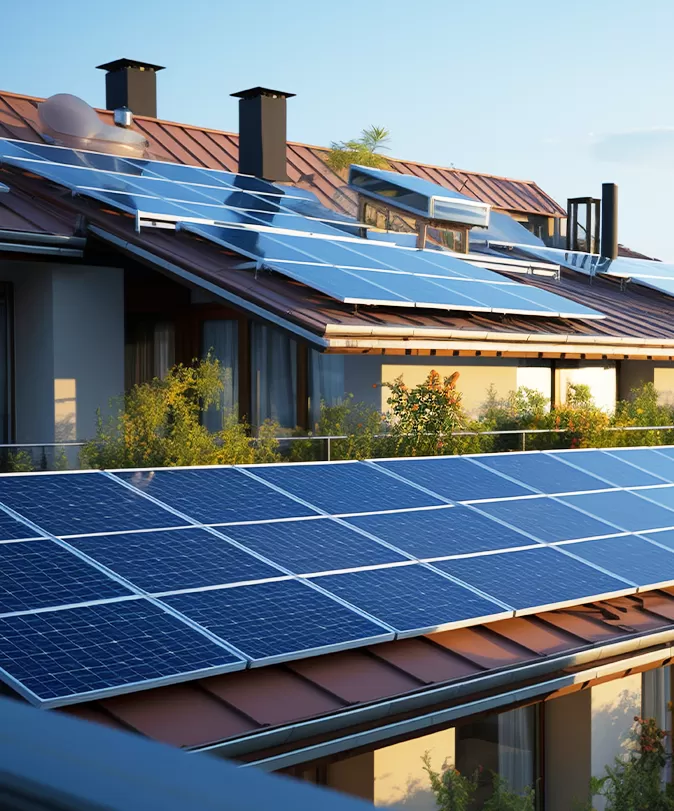
Sourcing bifacial panels for Caribbean microgrids requires factories with high output and logistics optimization. SES Solar controls manufacturing from silicon slicing to final assembly, ensuring raw material price stability and consistent panel quality. With 35GW+ of cell capacity, we buffer local developments against global component shortages.
We offer complete shipping logistics directly to Castries Port. Bifacial double-glass modules are carefully packaged in vertically stacked, cushioned crates designed to handle marine vibration. This protection minimizes micro-cracks in cells during transport, ensuring panels perform at full capacity once installed on-site.
Download Logistic Operations GuideExplore our track record of optimized solar systems designed to deliver clean energy under demanding local grid conditions.
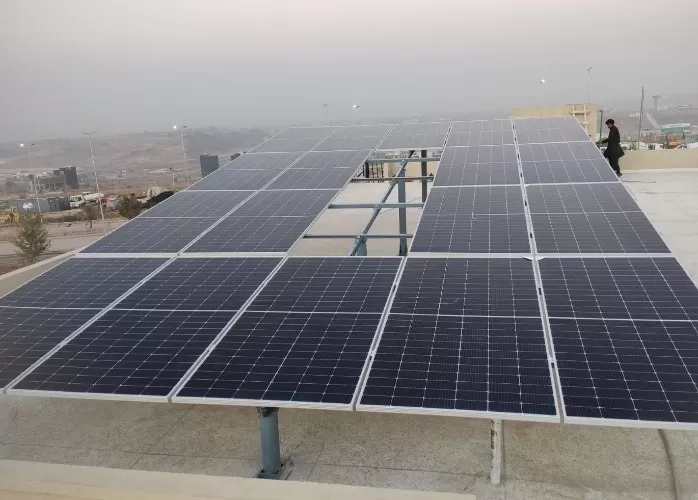
10KW hybrid solar system with battery storage.
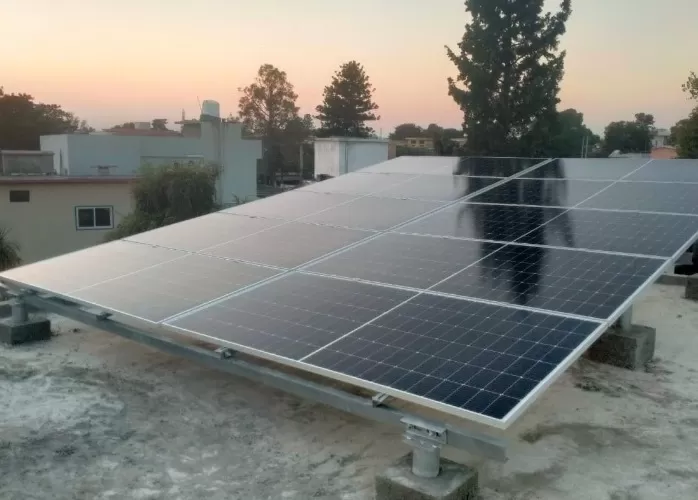
5KW on-grid solar system for coastal retail businesses.
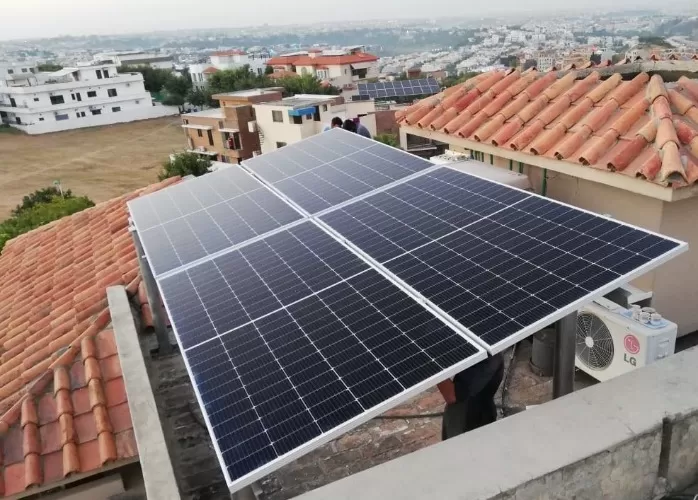
2KW off-grid solar system for remote mountain areas.
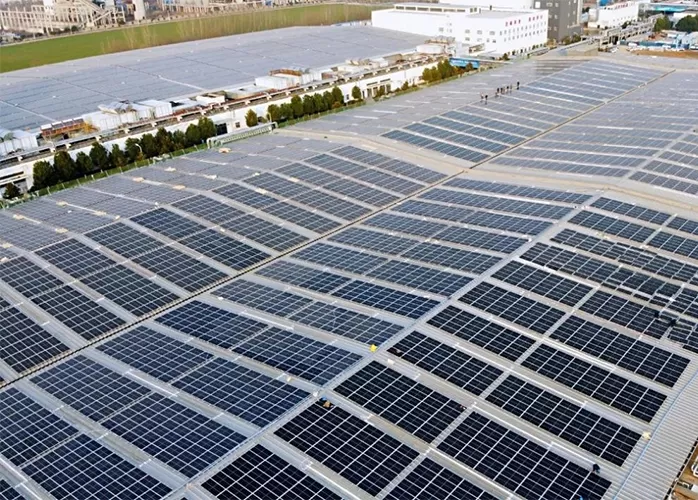
5MW solar system for industrial park utility offset.
Understanding the cell-level characteristics that define power degradation, temperature coefficients, and bifaciality gains.
TOPCon technology utilizes an ultra-thin silicon oxide layer combined with doped polycrystalline silicon to reduce recombination losses. It achieves cell efficiencies beyond 25.5%.
HJT combines crystalline silicon with thin amorphous silicon layers. HJT features a symmetrical cell architecture that is naturally bifacial, making it highly effective at capturing reflected light.
Deploying utility-scale solar arrays in the Castries market requires strict compliance with domestic regulatory policies. All installations must align with the National Utilities Regulatory Commission (NURC) and the interconnection grid codes established by LUCELEC. Grid-tied arrays must feature certified protection relays, anti-islanding functions, and active reactive power controls to stabilize island microgrids.
SES Solar supplies double-glass bifacial modules with full compliance documentation, including CE, TUV, IEC 61215, IEC 61730, and UL 61730 certifications. This documentation streamlines customs clearance and local building control approvals, ensuring a smooth path to project commissioning.
Get Compliance Document Pack
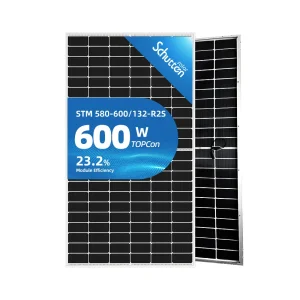
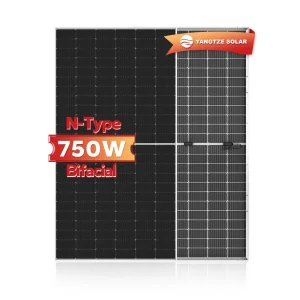
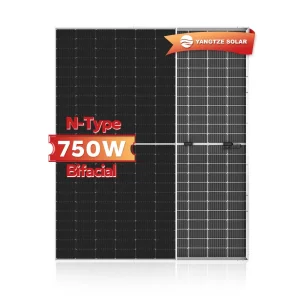
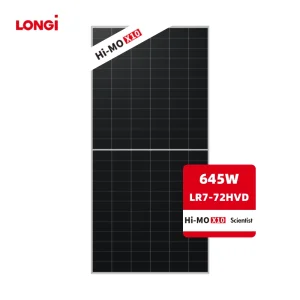
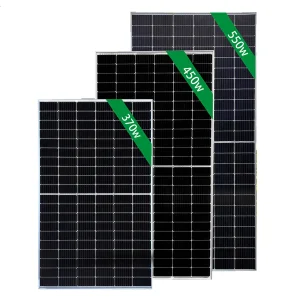
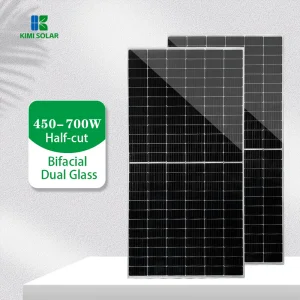
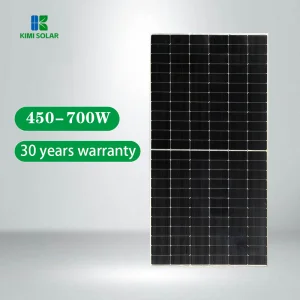
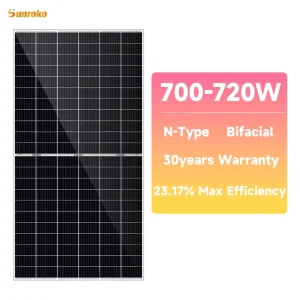
Our complete catalog of N-Type, HJT, and dual-glass solar panels available for immediate manufacturing queue planning.
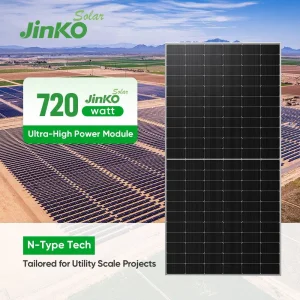
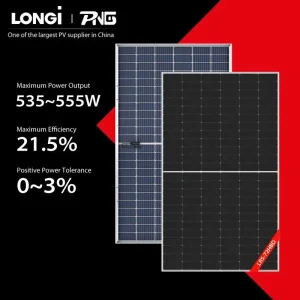
Small island grids like Saint Lucia's are sensitive to the intermittent output of solar systems. Fast-moving cloud cover can cause sudden voltage fluctuations. Coupling high-output bifacial arrays with SES Solar ESS (Energy Storage Systems) provides peak shaving and grid frequency regulation, helping to stabilize the power supply.
Our ESS factory produces containerized lithium iron phosphate (LiFePO4) battery systems designed for industrial use. When connected to bifacial panels, the integrated system captures excess daytime solar energy, storing it to meet peak evening demand. This setup helps reduce demand charges and supports continuous operation during grid outages.
Explore ESS Integration Systems
Get technical and operational answers regarding importing and deploying bifacial solar systems in the Castries market.
Bifacial gain in Castries typically ranges from 10% to 28%, depending on the surface albedo. Light-colored commercial concrete roofs, white reflective membranes, or light sand yield the highest performance, while dark soil yields lower gains.
Dual-glass modules feature double-sided tempered glass and robust anodized aluminum alloy frames. Tested to withstand up to 5400 Pa front-side static load and 2400 Pa rear wind load, they meet local engineering requirements for wind resistance when installed on heavy-duty racking.
Our modules use POE (Polyolefin Elastomer) encapsulation instead of standard EVA, combined with dual-glass backing. This configuration offers high resistance to water vapor and salt spray, preventing corrosion in coastal environments like Castries.
Under Saint Lucia's National Energy Transition Policy, renewable energy components—including solar PV modules and batteries—are eligible for duty-free concessions. Import permits must be submitted through the Department of Infrastructure, Ports, and Energy.
We provide a 12-to-15-year product workmanship warranty and a 30-year linear performance warranty. Our N-type TOPCon and HJT cells degrade at less than 0.4% annually, ensuring sustained output over the lifetime of the system.
Yes, our systems are compatible with grid-tied installations. LUCELEC requires solar arrays to meet safety standards, including anti-islanding and grid protection, which are supported by our compatible commercial inverters.
Standard P-type panels have a temperature coefficient of -0.38%/°C, while N-type TOPCon and HJT cells operate at -0.30%/°C and -0.26%/°C, respectively. This lower temperature coefficient reduces power loss in hot tropical climates like Castries.
We coordinate sea freight directly to Castries Port. Modules are packed in heavy-duty vertical crates with humidity barriers and anti-shock reinforcements to ensure safe transport over long maritime shipping routes.
 Stove Solar